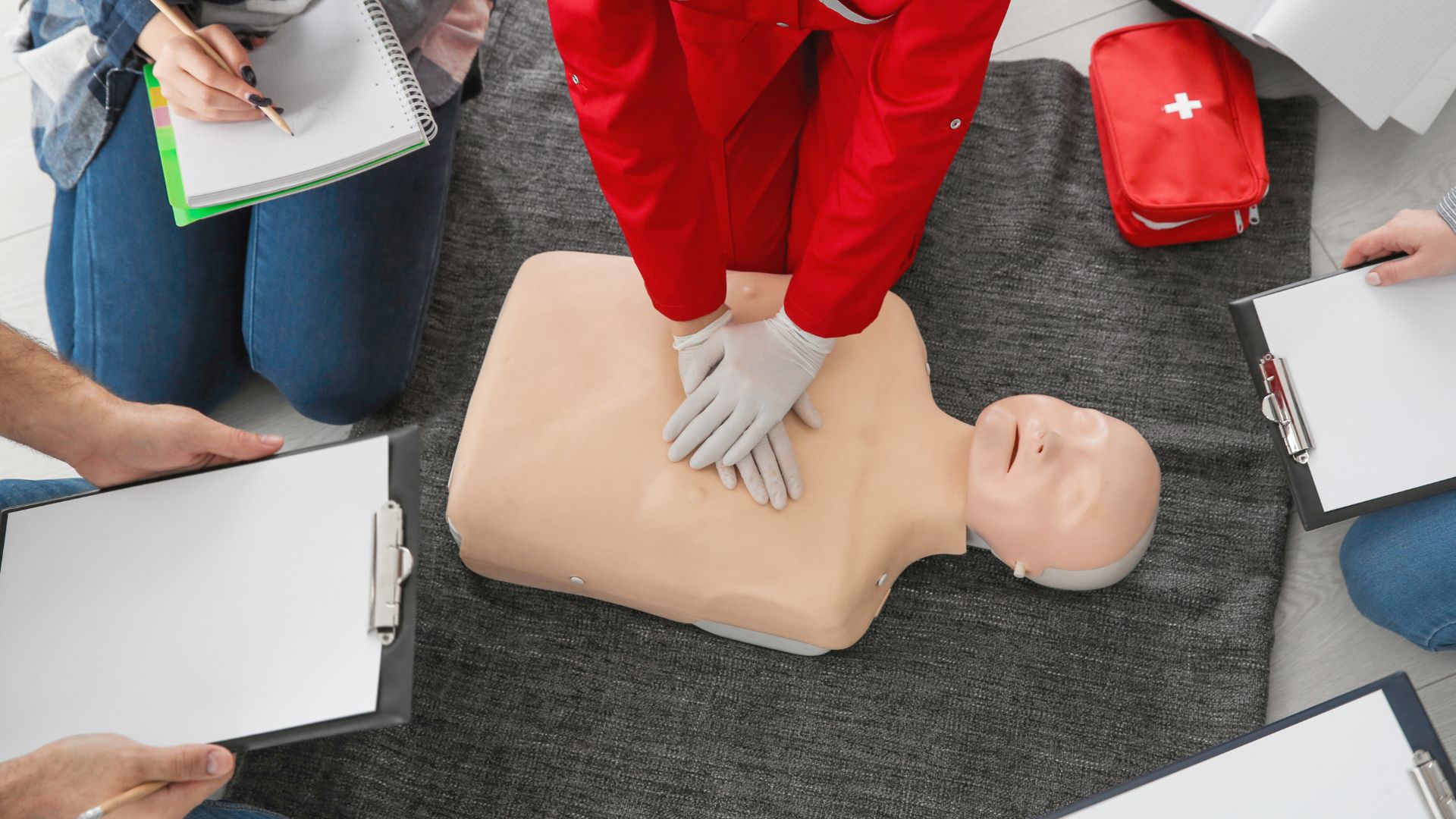
In the bustling city of Glendale, where every second can make a crucial difference, being equipped with life-saving skills is more than just an asset; it’s a responsibility. Whether you’re a healthcare professional, a teacher, or a concerned citizen, understanding the nuances between CPR and BLS certification is vital. This knowledge not only empowers you to make informed decisions about your training but also enhances your ability to respond effectively in emergency situations.
As you navigate through the complexities of these certifications, this article will serve as a reliable guide, offering clear insights into the differences and benefits of each. From the fundamental skills taught in CPR courses to the comprehensive techniques covered in BLS certification programs, our detailed exploration will equip you with the information needed to choose the right path for your professional and personal growth.
Understanding CPR Certification Requirements in Glendale
In Glendale, obtaining a CPR certification is a step toward becoming a more prepared and responsible member of the community. This certification is essential not only for healthcare professionals but also for anyone who might find themselves in a position to save a life. Here, we present five key requirements for achieving CPR certification in Glendale, ensuring you are well-equipped to handle emergencies effectively.
1. Understand the Basic Life Support (BLS) Fundamentals
Before diving into CPR certification, it’s crucial to grasp the basics of BLS. While CPR focuses on immediate life-saving techniques, BLS encompasses a broader range of emergency interventions. Being familiar with both can enhance your ability to respond in various scenarios. For more comprehensive training, consider enrolling in a BLS certification program.
2. Choose the Right Certification Provider
Selecting a reputable provider like CPR Certification Glendale ensures high-quality training. Look for programs that offer hands-on practice and are accredited by recognized bodies such as the American Heart Association (AHA). This guarantees that the skills you acquire meet the highest standards.
3. Complete the Required Training Hours
CPR certification typically requires a few hours of commitment, including both theoretical and practical components. In Glendale, these sessions are designed to fit into busy schedules, enabling you to gain invaluable skills without disrupting your daily routine. Be sure to attend all sessions to fully benefit from the training.
4. Pass the CPR Skills Assessment
After completing the coursework, you must demonstrate your proficiency in CPR techniques through a skills assessment. This hands-on evaluation is crucial to ensuring that you can effectively apply what you’ve learned in real-world situations. Practice regularly to build confidence and competence in your abilities.
5. Renew Your Certification Regularly
CPR certification is not a one-time commitment. To remain effective, you must renew your certification periodically, typically every two years. This renewal process is an opportunity to update your skills and stay current with the latest protocols and techniques. Keeping your certification active is a testament to your dedication to saving lives.
By following these steps, you can ensure that your CPR certification journey in Glendale is both rewarding and impactful. Whether you’re pursuing it for professional reasons or personal preparedness, these requirements will guide you toward becoming a competent and confident responder in emergencies.
Key Differences Between CPR and BLS Training
In Glendale, understanding the key differences between CPR and BLS training is crucial for choosing the right path to enhance your emergency response capabilities. Both certifications are valuable, yet they serve distinct purposes. Here, we outline five primary differences to help guide your decision.
1. Scope of Training
CPR, or Cardiopulmonary Resuscitation, focuses on life-saving techniques such as chest compressions and rescue breaths to sustain life until professional help arrives. In contrast, BLS certification offers a broader scope, covering advanced interventions like using automated external defibrillators (AEDs) and managing critical scenarios in teams. This broader training makes BLS ideal for healthcare professionals.
2. Target Audience
While CPR certification is suitable for the general public, including teachers and concerned citizens in Glendale, BLS training is often geared towards medical personnel who require a more extensive understanding of emergency care protocols. Depending on your role and responsibilities, choosing the appropriate certification can ensure you are prepared to respond effectively in emergencies.
3. Certification Requirements
CPR certification in Glendale typically involves fewer training hours and a simpler skills assessment compared to BLS. As mentioned previously, CPR courses are designed to fit into busy schedules, making them accessible to everyone. BLS, however, demands a more rigorous training regimen and proficiency in complex techniques.
4. Renewal Frequency
Both CPR and BLS certifications require periodic renewal to ensure skills remain sharp and up-to-date with current guidelines. However, BLS certification often involves more comprehensive updates to protocols, reflecting its advanced nature. Regular renewal, as discussed, is crucial for maintaining effective life-saving skills.
5. Professional Requirement
For many healthcare roles, BLS certification is a mandatory requirement, reflecting its comprehensive coverage of emergency care practices. On the other hand, CPR certification is often a recommended, though not obligatory, credential for non-medical professionals. Understanding these distinctions can aid in aligning your certification with your career goals and responsibilities.
By recognizing these differences, you can make an informed decision about whether CPR or BLS training aligns best with your personal or professional objectives, thus enhancing your capability to act decisively during critical moments.
Benefits of BLS Certification for Healthcare Professionals
For healthcare professionals in Glendale, obtaining a BLS certification offers numerous advantages that extend beyond basic emergency response capabilities. This advanced training serves as a cornerstone for those who aim to excel in their medical careers, equipping them with essential skills and knowledge.
1. Enhanced Skill Set
BLS certification provides healthcare professionals with a comprehensive skill set, including the ability to perform advanced resuscitation techniques, manage airways, and effectively use defibrillators. These skills are critical in high-pressure situations where every second counts.
2. Increased Confidence in Emergency Situations
With BLS training, healthcare professionals gain the confidence to handle various emergency scenarios efficiently. This confidence stems from rigorous training that includes team-based exercises and scenario simulations, ensuring readiness in real-world situations.
3. Career Advancement Opportunities
Possessing a BLS certification is often a prerequisite for career advancement within the healthcare industry. Many employers in Glendale and beyond view this credential as a testament to a professional’s commitment to maintaining high standards of patient care, potentially opening doors to new roles and responsibilities.
4. Compliance with Industry Standards
Healthcare facilities in Glendale require professionals to be BLS certified to comply with industry standards and regulations. This ensures that all staff members are equipped to deliver optimal care, aligning with the latest medical protocols and guidelines.
5. Contribution to Better Patient Outcomes
Ultimately, the comprehensive training received in a BLS program empowers healthcare professionals to contribute to better patient outcomes. By being well-versed in advanced life-saving techniques, they play a crucial role in improving survival rates and recovery times for patients facing critical health events.
By understanding these benefits, healthcare professionals can appreciate the value of BLS certification in their career development and its impact on patient care. This advanced training not only enhances individual capabilities but also elevates the overall standard of emergency response within the medical community.
How to Choose the Right Certification Course in Glendale
Choosing the right certification course in Glendale is a pivotal step in your journey to becoming a proficient and confident responder in emergencies. With the multitude of options available, it is crucial to select a program that aligns with your goals, whether for personal preparedness or professional advancement. Here, we provide a structured approach to help you make an informed decision.
1. Assess Your Needs and Goals
Start by identifying why you are seeking certification. Are you a healthcare professional aiming for BLS certification to meet industry requirements, or a concerned citizen interested in gaining essential CPR skills? Understanding your objectives will guide you in choosing the appropriate course. For those in healthcare, BLS offers comprehensive training that includes advanced life-saving techniques, as discussed in previous sections.
2. Research Accredited Providers
Ensure the course you select is offered by an accredited provider like CPR Certification Glendale. Accreditation from recognized bodies such as the American Heart Association (AHA) ensures that the training meets high standards and provides the necessary skills for effective emergency response. This step is crucial for both CPR and BLS certifications.
3. Consider the Course Format
Evaluate whether the course format suits your schedule and learning style. Many programs in Glendale offer flexible options, including in-person, online, or blended formats, to accommodate busy lifestyles. The right format will ensure you can engage fully with the material, as emphasized in the CPR certification requirements section.
4. Evaluate the Curriculum and Instructors
Review the curriculum and the qualifications of the instructors. A comprehensive curriculum that covers both theoretical knowledge and practical skills assessments is essential, as highlighted in the skills assessment section. Experienced instructors can provide valuable insights and hands-on training that enhances your learning experience.
5. Review Feedback and Success Rates
Look into testimonials and success rates of past participants. Feedback can offer insights into the quality of the course and the effectiveness of its training. A program with high success rates typically indicates a well-structured training process that prepares participants effectively for real-world scenarios.
By following these guidelines, you can choose a certification course in Glendale that not only fulfills your needs but also equips you with the skills to make a significant impact during emergencies. Whether you’re pursuing CPR for foundational skills or BLS for advanced training, the right course will set you on a path to becoming a capable and confident emergency responder.
Top CPR and BLS Certification In Glendale
In Glendale, being prepared for emergencies through appropriate certification is not just an option,it’s essential. This blog has explored the importance of both CPR and BLS certifications and their distinct roles in enhancing your readiness to handle critical situations. Whether you’re a healthcare professional needing comprehensive BLS training or a community member looking to gain vital CPR skills, the right certification can make a significant difference.
Understanding the requirements for CPR certification, including choosing a reputable provider like CPR Certification Glendale, and recognizing the key differences between CPR and BLS training will help you make informed decisions aligned with your personal or professional goals. For healthcare professionals, BLS certification not only meets industry standards but also boosts career potential and patient outcomes.
To take the next step in your certification journey, assess your needs, research accredited programs, and consider course formats that fit your schedule. By doing so, you ensure that you are equipped with the knowledge and skills necessary to respond effectively in emergencies, fulfilling a vital role in your community. Together, we can enhance the safety and preparedness of Glendale, one certification at a time.
Frequently Asked Questions
What is the difference between CPR and BLS certification?
CPR certification focuses on basic life-saving techniques such as chest compressions and rescue breaths, aimed at sustaining life until professional help arrives. It is suitable for the general public, including teachers and concerned citizens. On the other hand, BLS certification encompasses a broader range of skills, including the use of automated external defibrillators (AEDs) and team-based emergency management. BLS is more comprehensive and is often required for healthcare professionals, reflecting its advanced training requirements and application in clinical settings.
How do I decide whether to pursue CPR or BLS certification in Glendale?
To decide between CPR and BLS certification in Glendale, assess your personal and professional needs. If you are a healthcare professional or require advanced emergency response skills, opt for BLS certification. It offers comprehensive training in advanced techniques. If you are a teacher, concerned citizen, or need basic life-saving skills, CPR certification might be more suitable. Evaluate your role, responsibilities, and career goals to align the certification with your objectives, ensuring you are prepared for emergencies effectively.
Why is BLS certification preferred for healthcare professionals in Glendale?
BLS certification is preferred for healthcare professionals in Glendale due to its comprehensive training that aligns with industry standards and regulations. It equips professionals with essential skills such as advanced resuscitation techniques, airway management, and the use of defibrillators. These skills are critical in high-pressure situations, enhancing confidence and capability in emergency scenarios. Furthermore, BLS certification is often a prerequisite for career advancement within the healthcare field, reflecting a commitment to maintaining high standards of patient care and compliance with medical protocols.
What are the requirements for obtaining CPR certification in Glendale?
To obtain CPR certification in Glendale, you need to follow several key steps. First, understand the basics of Basic Life Support (BLS) fundamentals, as they enhance your emergency response capabilities. Second, choose a reputable provider like CPR Certification Glendale for high-quality training. Third, complete the required training hours, which include both theoretical and practical components. Fourth, pass a CPR skills assessment to demonstrate proficiency. Finally, renew your certification regularly, typically every two years, to stay updated with the latest techniques and protocols.