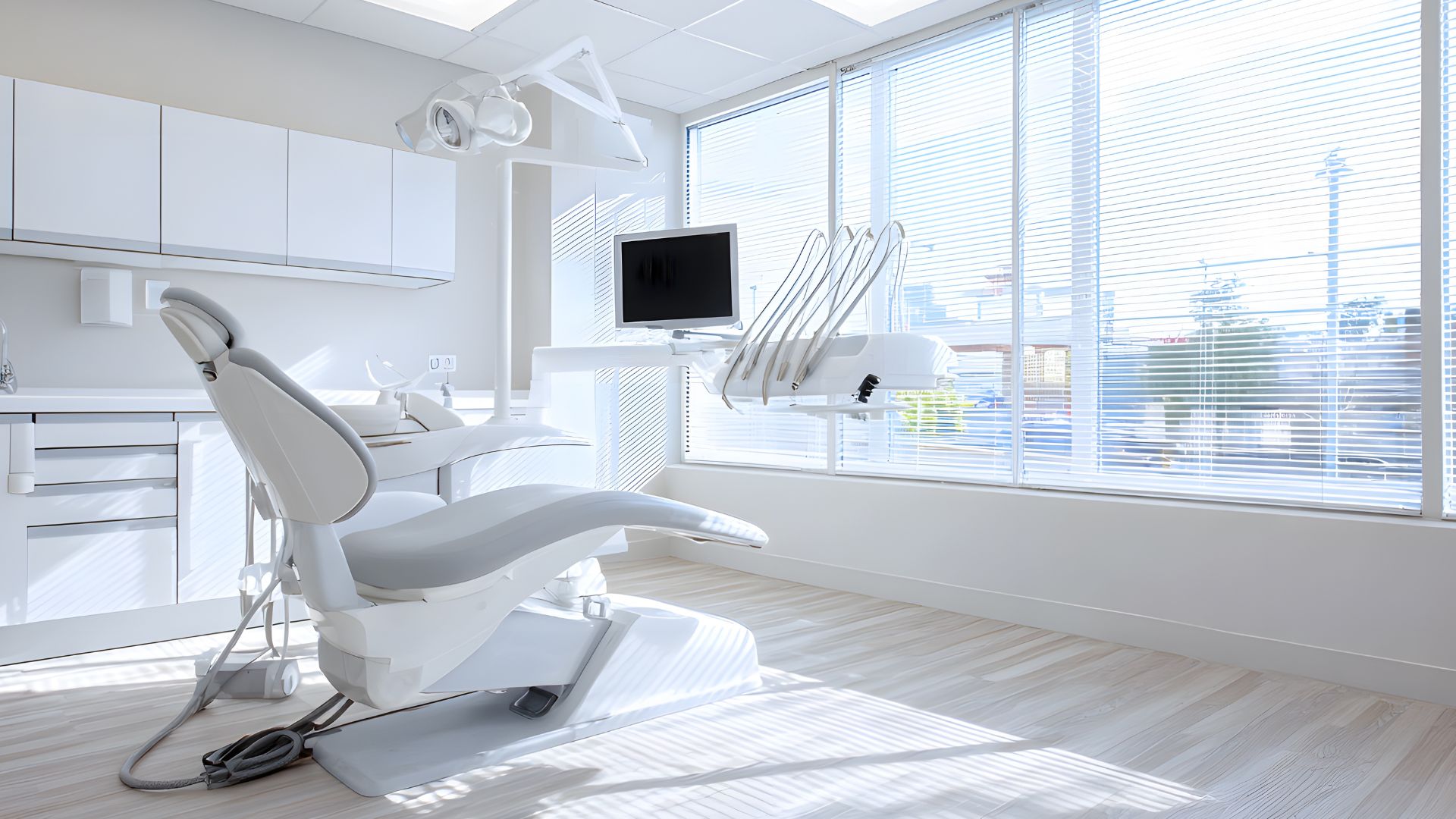
Dental hygienists play a critical role in patient care, working closely with individuals during procedures that involve medical history review, physical positioning, and the use of dental instruments. While dental offices are not typically associated with emergency medicine, medical emergencies can and do occur in dental settings. CPR certification equips dental hygienists with the lifesaving skills needed to respond quickly and confidently when patients experience cardiac or breathing emergencies during appointments. Maintaining CPR certification is an essential component of professional readiness and patient safety in dental care.
Dental hygienists often spend extended periods with patients, monitoring comfort, vital responses, and overall wellbeing throughout treatment. Patients may experience medical events related to anxiety, underlying health conditions, medication reactions, or sudden cardiac complications. CPR certification prepares dental hygienists to recognize emergencies early and take immediate action while emergency medical services are being contacted. This preparedness helps protect patients and supports a safe, compliant clinical environment.
This guide explains why CPR certification is vital for dental hygienists, how it supports patient safety, what training includes, and how maintaining certification strengthens professional responsibility and confidence in dental practices.
Why CPR Certification Is Essential in Dental Settings
Dental offices may appear controlled and routine, but they involve medical risk factors that require preparedness. Patients of all ages and health backgrounds receive dental care, and some may have conditions such as heart disease, respiratory issues, diabetes, or high anxiety levels that increase the risk of medical emergencies.
Local anesthetics, sedation, and prolonged reclined positioning can contribute to complications such as fainting, breathing distress, allergic reactions, or cardiac events. When these emergencies occur, dental hygienists are often among the first professionals present.
CPR certification ensures dental hygienists can recognize signs of cardiac arrest or breathing failure and respond without hesitation. Early CPR can maintain blood flow and oxygen delivery to vital organs until advanced medical care arrives. This immediate response is critical in improving patient outcomes and reducing the risk of long term complications.
Understanding the Role of Dental Hygienists During Emergencies
Dental hygienists are responsible for more than oral care. They are trained healthcare professionals who monitor patient comfort, communicate concerns to dentists, and assist during procedures. This close patient interaction places hygienists in a key position to notice early signs of distress.
Symptoms such as dizziness, abnormal breathing, loss of consciousness, or sudden collapse may occur with little warning. CPR certification trains dental hygienists to assess these situations quickly and determine when emergency intervention is required.
When emergencies occur, hygienists often assist in activating emergency protocols, contacting emergency medical services, retrieving emergency equipment, and providing CPR if necessary. Certification provides the structure and confidence needed to perform these tasks effectively.
CPR Training and Patient Safety in Dental Practices
Patient safety is a cornerstone of dental care. CPR certification strengthens safety by ensuring that dental hygienists are prepared for rare but serious medical events.
When staff are trained and certified, dental practices reduce response time during emergencies. Early intervention improves survival rates and demonstrates a commitment to patient wellbeing. CPR certification also reassures patients that their dental provider prioritizes safety and preparedness.
In practices where CPR certification is maintained across the clinical team, response efforts are smoother and more coordinated. Dental hygienists work alongside dentists and other staff to manage emergencies efficiently, creating a safer environment for everyone.
Professional Standards and Regulatory Expectations
Many licensing boards and professional organizations require dental hygienists to maintain current CPR certification. These requirements reflect the recognition that dental professionals are responsible for patient safety beyond routine procedures.
Maintaining CPR certification ensures compliance with regulatory standards and supports licensure renewal. It also demonstrates professionalism and accountability within the dental field.
Dental hygienists who maintain current CPR certification show dedication to ongoing education and readiness. This commitment enhances trust with employers, colleagues, and patients alike.
How CPR Certification Prepares Hygienists for Real Situations
CPR certification courses are designed to prepare non emergency healthcare professionals to respond during critical moments. Training focuses on practical skills that can be applied immediately in clinical settings.
Dental hygienists learn how to recognize cardiac arrest, assess breathing, and initiate chest compressions at the correct depth and rate. Training also covers rescue breathing when appropriate and emphasizes clear communication during emergencies.
Hands on practice is a core component of CPR certification. Hygienists practice on manikins and participate in scenario based exercises that simulate real emergencies. This experience builds muscle memory and reduces hesitation during actual events.
The Importance of AED Training in Dental Offices
Automated external defibrillators are critical tools for responding to sudden cardiac arrest. Many dental offices maintain AEDs as part of their emergency preparedness plans.
CPR certification includes training on AED use, ensuring dental hygienists know how to operate these devices safely and effectively. AEDs analyze heart rhythm and deliver a shock if necessary to restore normal rhythm.
Training emphasizes proper pad placement, following voice prompts, and coordinating AED use with CPR. Dental hygienists who are comfortable using AEDs add an essential layer of safety to dental practices.
Managing Stress and Staying Calm During Emergencies
Medical emergencies are inherently stressful, especially in environments where they are unexpected. CPR certification helps dental hygienists manage stress by providing clear steps to follow during emergencies.
Training reinforces calm decision making and prioritization. Hygienists learn how to focus on lifesaving actions while supporting the dental team and patient.
Confidence gained through CPR certification helps hygienists remain composed and effective during high pressure situations. This calm presence supports patient outcomes and reassures colleagues during emergencies.
CPR Certification and Team Coordination
Dental emergencies are managed by teams rather than individuals. CPR certification supports teamwork by ensuring all staff understand their roles and responsibilities during emergencies.
Dental hygienists who are CPR certified communicate more effectively with dentists, assistants, and administrative staff. They understand how to delegate tasks, share information, and support coordinated response efforts.
Team coordination reduces confusion and delays, improving overall emergency response. Practices that emphasize CPR certification across staff benefit from stronger teamwork and smoother emergency management.
Protecting Vulnerable Patient Populations
Dental hygienists treat patients across a wide range of ages and health conditions. Pediatric patients, elderly individuals, and patients with chronic illnesses may be more vulnerable to medical emergencies.
CPR certification prepares hygienists to respond appropriately regardless of patient age or condition. Training includes recognizing differences in response for adults and children, ensuring care is tailored to the situation.
This adaptability is essential for dental practices that serve diverse patient populations. CPR certified hygienists provide an added layer of protection for vulnerable patients.
What CPR Certification Training Includes
CPR certification courses for dental hygienists are designed to be comprehensive yet efficient. Training typically includes both instructional and practical components.
Participants learn how to identify cardiac arrest, assess breathing, perform chest compressions, provide rescue breaths when appropriate, and use an automated external defibrillator. Instructors guide participants through each step and provide feedback to ensure proper technique.
Many courses include scenario based training that reflects dental office emergencies. These simulations help hygienists practice responding in familiar clinical settings.
Upon completion, participants receive CPR certification that is valid for a set period, commonly two years.
Maintaining CPR Certification Through Recertification
CPR skills must remain current to be effective. Medical guidelines and best practices evolve, making recertification an important part of ongoing preparedness.
Recertification refreshes techniques, reinforces confidence, and introduces updated recommendations. Dental hygienists who recertify regularly are better prepared to respond effectively when emergencies occur.
Many employers support recertification as part of continuing education. Maintaining certification demonstrates commitment to patient safety and professional excellence.
Benefits of CPR Certification Beyond Compliance
While CPR certification is often required, its benefits extend far beyond meeting regulatory standards. Certification builds confidence, enhances professional credibility, and improves patient trust.
Patients feel reassured knowing that dental professionals are prepared for emergencies. This trust contributes to positive patient experiences and strengthens the reputation of dental practices.
For dental hygienists, CPR certification adds value to professional skill sets and supports career development. It reflects a commitment to comprehensive patient care.
CPR Certification and Ethical Responsibility
Healthcare professionals have an ethical responsibility to protect patient wellbeing. CPR certification aligns with this responsibility by equipping dental hygienists to act during life threatening emergencies.
Taking action during emergencies reflects professional integrity and compassion. CPR certification ensures hygienists have the tools needed to fulfill this ethical duty confidently and effectively.
Preparedness supports ethical decision making and reinforces trust between patients and dental professionals.
Long Term Impact of CPR Training in Dental Care
Over time, widespread CPR certification within dental practices improves overall safety culture. Teams become more aware of potential risks and more confident in emergency response.
Dental hygienists who maintain CPR certification contribute to a proactive approach to patient safety. This readiness reduces response times, improves outcomes, and strengthens team cohesion.
The long term impact of CPR certification extends beyond individual emergencies. It fosters a culture of preparedness and responsibility that benefits patients and professionals alike.
Final Thoughts on CPR Certification for Dental Hygienists
CPR certification is an essential skill for dental hygienists who are committed to patient safety and professional excellence. Medical emergencies can occur unexpectedly in dental settings, and hygienists are often among the first to respond.
By maintaining CPR certification, dental hygienists gain the skills, confidence, and readiness needed to act during cardiac and breathing emergencies. These lifesaving abilities protect patients, support dental teams, and enhance the overall safety of dental practices.
Investing in CPR certification is an investment in preparedness, professionalism, and the wellbeing of every patient served.
Frequently Asked Questions
Why do dental hygienists need CPR certification?
Dental hygienists work closely with patients and may be first to respond during medical emergencies. CPR certification prepares them to act quickly and safely.
Is CPR certification required for dental hygienists?
Requirements vary by state and employer, but CPR certification is commonly required for licensure and employment.
How long does CPR certification last?
CPR certification is typically valid for two years. Recertification ensures skills remain current.
Does CPR certification include AED training?
Yes. Most CPR certification courses include instruction on using an automated external defibrillator.
Can CPR skills be used outside the dental office?
Yes. CPR certification provides transferable skills that can be used at home, in public spaces, and throughout the community.