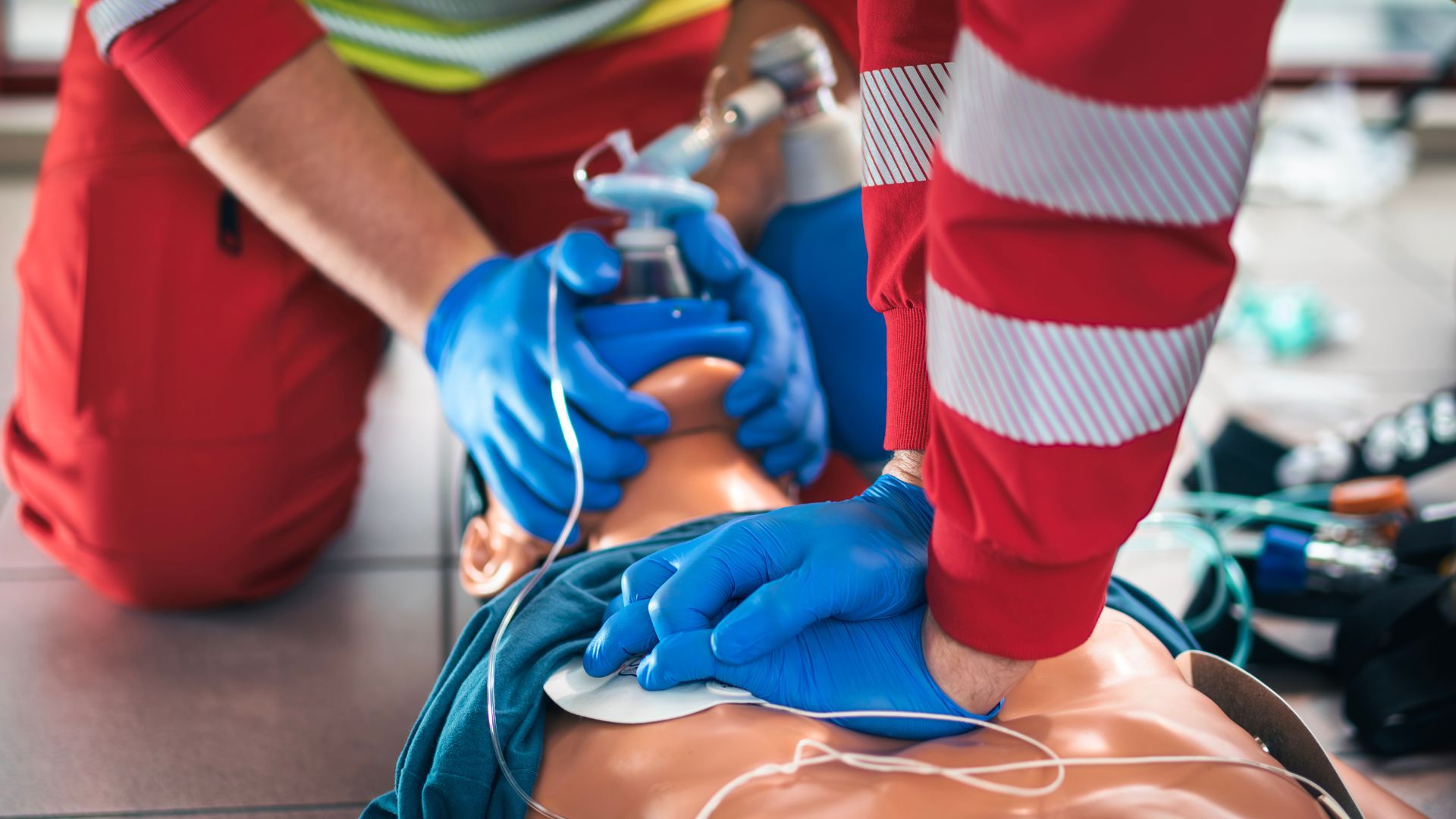
If you work in healthcare, education, fitness, or any role that requires emergency readiness in Glendale, keeping your CPR and BLS certification current is not optional. It is a requirement that directly impacts your ability to work and respond in critical situations.
Many professionals focus on getting certified once, but the real value comes from staying up to date. Skills fade, guidelines evolve, and emergencies demand immediate, confident action. That is why renewing your certification through an in-person CPR Certification course is essential for maintaining both compliance and real-world readiness.
How Long CPR and BLS Certification Lasts
In Glendale, most CPR and BLS certifications follow the same standard set by major organizations like the American Heart Association.
- Certification is typically valid for two years
- Renewal is required before the expiration date
- Employers often require certifications to remain active at all times
If your certification expires, even briefly, it can affect your ability to work in certain roles, especially in healthcare settings.
Why Renewal Is Required
CPR and BLS are hands-on skills that require practice to stay effective. Research and training standards show that skill retention declines over time without reinforcement.
Renewal ensures:
- You maintain proper technique and timing
- You stay updated with current medical guidelines
- You remain confident in high-pressure situations
The American Heart Association regularly updates CPR guidelines based on new research, making renewal an important part of staying aligned with best practices.
When to Renew Your Certification
Waiting until your certification expires is one of the most common mistakes professionals make.
Experts recommend:
- Renewing 60 to 90 days before expiration
- Scheduling classes early to avoid last-minute issues
- Keeping track of your certification date
Renewing early ensures there is no gap in your credentials and keeps you continuously eligible for your role.
What Happens If Your Certification Expires
Letting your certification lapse can have serious consequences, especially in regulated industries.
If your certification expires:
- You may be removed from work schedules
- You may need to retake a full course instead of a renewal
- Your employer may require immediate recertification
In healthcare settings, maintaining an active BLS certification is often mandatory for patient-facing roles.
What to Expect in a CPR or BLS Renewal Class
Renewal classes are designed for individuals who already have prior training. Instead of starting from scratch, they focus on refreshing and strengthening your skills.
In a typical Glendale renewal class, you will:
- Review CPR techniques for adults, children, and infants
- Practice AED use and emergency response
- Complete a hands-on skills assessment
Most in-person classes take about 3 to 4 hours and provide certification the same day.
Why Hands-On Training Is Essential
CPR is not just theoretical knowledge. It is a physical skill that must be performed correctly under pressure.
In-person training provides:
- Real-time feedback from instructors
- Hands-on practice with mannequins
- Scenario-based learning
Without this experience, many people struggle to perform CPR effectively in real emergencies.
Choosing an in-person CPR Certification course ensures you are prepared to act, not just understand.
The Difference Between CPR and BLS Renewal
While CPR and BLS are often used interchangeably, they are not the same.
- CPR is a foundational life-saving skill
- BLS includes advanced techniques and team-based response
BLS renewal is typically required for:
- Healthcare professionals
- First responders
- Clinical and patient-care roles
These courses emphasize teamwork, communication, and advanced emergency response skills.
Renewal Options Available in Glendale
Professionals in Glendale have several options for renewing their certification.
In-Person Classes
- Hands-on training with instructor guidance
- Same-day certification
- Best option for skill retention
Blended Learning
- Online coursework combined with in-person skills testing
- Flexible scheduling
- Still requires hands-on evaluation
Full Recertification
- Required if certification has been expired too long
- Covers all material from the beginning
All options ultimately require a hands-on skills check to meet certification standards.
Why Employers Require Current Certification
Employers in Glendale require current CPR and BLS certification because it directly impacts safety and outcomes.
Certified professionals are trained to:
- Recognize emergencies quickly
- Perform high-quality CPR
- Work effectively in team-based situations
This level of preparedness improves outcomes and reduces risk in professional environments.
The Importance of Team-Based Skills
One of the biggest differences between basic CPR knowledge and BLS training is the focus on teamwork.
In real emergencies:
- Multiple responders are often involved
- Roles must be assigned quickly
- Communication is critical
BLS renewal reinforces these skills, ensuring professionals can work effectively under pressure.
How Long Renewal Takes
One of the biggest concerns for busy professionals is time. Fortunately, renewal courses are designed to be efficient.
Typical timelines include:
- 3 to 4 hours for in-person classes
- Shorter blended learning options with online components
This makes it easy to stay current without disrupting your schedule.
Why Skills Decline Without Practice
Even if your certification is still valid, your ability to perform CPR can decline over time.
Without practice:
- Compression depth may become inconsistent
- Timing and rhythm may be incorrect
- Confidence may decrease
Renewal classes help reinforce these skills and ensure they remain effective.
Glendale’s Professional Landscape and CPR Needs
Glendale is home to a diverse workforce, including healthcare providers, educators, fitness professionals, and service industry employees.
In these environments:
- Emergencies can happen without warning
- Immediate response is critical
- Trained individuals improve outcomes
Having more certified professionals in the community creates a safer environment for everyone.
The Career Benefits of Staying Certified
Maintaining your CPR and BLS certification is not just about compliance. It also supports your career.
Benefits include:
- Meeting job requirements
- Maintaining eligibility for certain roles
- Increasing professional credibility
For many professions, certification is a non-negotiable requirement.
Why You Should Never Let Your Certification Lapse
Letting your certification expire creates unnecessary risk for both you and the people you serve.
Staying current ensures:
- You are always ready to respond
- Your skills remain sharp
- You meet all professional requirements
Renewal is not just about maintaining a credential. It is about maintaining your ability to save lives.
Why In-Person Training Is the Best Choice
While online options can be convenient, they cannot replace hands-on experience.
In-person training provides:
- Real-world practice
- Immediate feedback
- Greater confidence in emergencies
Choosing an in-person CPR Certification course ensures you are fully prepared for real-life situations.
Final Thoughts on CPR & BLS Renewal in Glendale
Keeping your CPR and BLS certification current is one of the most important responsibilities you have as a professional. It ensures you are prepared to act quickly, confidently, and effectively when every second counts.
In Glendale, where professionals across many industries rely on these skills, staying up to date is essential for both compliance and safety.
By renewing your certification through an in-person CPR Certification course, you maintain the skills, knowledge, and confidence needed to make a life-saving difference.
Frequently Asked Questions About CPR & BLS Renewal
How often do I need to renew CPR or BLS certification?
Most certifications must be renewed every two years.
When should I renew my certification?
It is best to renew 60 to 90 days before your certification expires.
What happens if my certification expires?
You may need to retake the full course and could face work restrictions.
How long does a renewal class take?
Most in-person renewal classes take about 3 to 4 hours.
Is in-person training required?
Yes, hands-on skills testing is required for valid certification.
Why is renewal important?
It keeps your skills sharp, ensures compliance, and prepares you for real emergencies.