Learning CPR is one of the most valuable skills a person can have during a medical emergency. When someone experiences sudden cardiac arrest, every second matters. Immediate response can help maintain blood circulation and oxygen flow to the brain until professional medical help arrives. Completing CPR Certification prepares individuals to respond quickly and confidently during life threatening situations.
Residents of Glendale, California have access to several CPR training options designed for both professionals and members of the public. Whether you need certification for work, volunteer responsibilities, or personal preparedness, CPR courses teach lifesaving skills that can help you assist someone during a medical emergency. Many training providers offer flexible schedules and hands on instruction to ensure participants leave with the knowledge and confidence needed to act.
Understanding the process for getting certified can make it easier to choose the right course and begin learning these critical lifesaving techniques.
What CPR Certification Is and Why It Matters
Cardiopulmonary resuscitation, commonly called CPR, is a lifesaving technique used when someone’s heart stops beating or they stop breathing. CPR involves chest compressions and rescue breathing that help circulate oxygenated blood through the body.
During cardiac arrest, the brain begins to suffer damage within minutes due to lack of oxygen. CPR helps maintain circulation and increase survival chances until emergency responders arrive.
CPR training courses teach individuals how to:
- Recognize cardiac arrest and breathing emergencies
- Perform chest compressions properly
- Provide rescue breaths when needed
- Use an automated external defibrillator (AED)
- Respond to choking incidents
These skills are important for healthcare workers, teachers, childcare providers, fitness professionals, and everyday citizens who want to be prepared to help others.
Step 1: Choose the Right Type of CPR Course
Before enrolling in a class, it is important to determine which type of CPR certification you need. Different courses are designed for different roles and experience levels.
Common CPR courses include:
CPR and AED Training
This course is designed for the general public and teaches CPR techniques along with how to use an automated external defibrillator.
Basic Life Support (BLS)
BLS certification is often required for healthcare providers such as nurses, EMTs, and medical assistants.
First Aid and CPR Combined Courses
Many programs combine CPR instruction with first aid training so participants learn how to respond to injuries, medical emergencies, and sudden illnesses.
Most CPR training programs follow guidelines developed by organizations such as the American Heart Association and the American Red Cross. These courses use evidence based instruction to teach effective emergency response techniques.
Step 2: Find a CPR Training Provider in Glendale
Glendale residents have access to several CPR training providers offering courses throughout the city and surrounding areas. Many programs are available through training centers, hospitals, educational organizations, and community groups.
Some classes are offered in traditional classroom settings, while others use blended learning formats that combine online lessons with in person skills practice.
Organizations such as the American Red Cross provide CPR classes throughout California with flexible scheduling and multiple course options.
Training centers in and around Glendale also offer hands on CPR and AED instruction designed for individuals, workplaces, and healthcare professionals.
When choosing a provider, it is helpful to confirm that the course follows recognized training guidelines and provides an official certification card upon completion.
Step 3: Register for a CPR Class
After selecting a training provider, the next step is registering for a class. Most CPR courses can be booked online, and many providers offer classes several days each week to accommodate different schedules.
Typical registration steps include:
- Selecting the course type
- Choosing a class date and time
- Completing online registration
- Paying the course fee
Many CPR courses last between three and four hours depending on the program and whether first aid training is included.
Some providers also offer weekend or evening classes to make certification easier for busy professionals.
Step 4: Complete the CPR Training Course
During CPR training, participants learn both theoretical knowledge and practical skills needed to respond to emergencies.
Courses typically include instruction on:
- Identifying cardiac arrest
- Checking breathing and responsiveness
- Performing chest compressions
- Delivering rescue breaths
- Using an AED device
- Responding to choking incidents
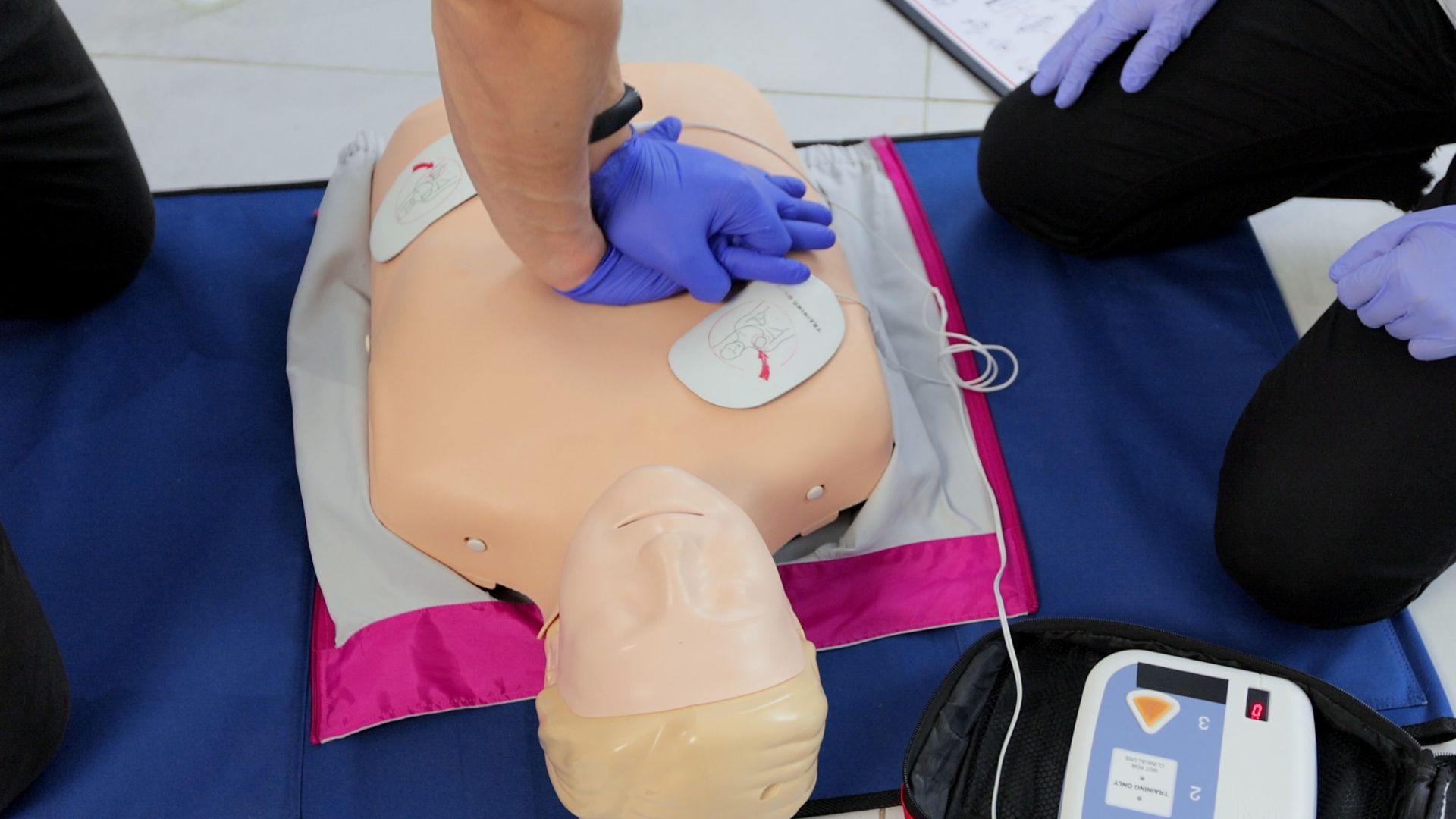
Hands on practice is an essential part of the training process. Students practice CPR techniques on training manikins to learn the correct compression depth and rhythm.
This practical training helps participants feel more confident performing CPR in real life situations.
Step 5: Pass the Skills Assessment
At the end of most CPR courses, participants complete a brief assessment to demonstrate their understanding of the material. This assessment may include both written questions and a practical skills evaluation.
Instructors typically ask students to demonstrate CPR compressions and emergency response procedures using training equipment.
Once participants successfully complete the course requirements, they receive their official CPR Certification card.
Many training providers issue digital certification cards that can be accessed immediately after completing the class.
Step 6: Keep Your CPR Certification Current
CPR certification is not permanent. Most certifications remain valid for two years before renewal is required.
Renewal courses are often shorter than initial training because participants already understand the basic techniques.
Recertification ensures that individuals stay updated on the latest CPR guidelines and maintain confidence in their skills.
Many employers require workers to maintain current certification to comply with safety standards.
Who Should Get CPR Certified
CPR training is valuable for almost anyone. While some professions require certification, many people choose to learn CPR simply to be prepared during emergencies.
People who commonly pursue CPR training include:
- Healthcare professionals
- Teachers and school staff
- Childcare providers
- Fitness trainers and coaches
- Lifeguards
- Construction workers
- Office employees
- Parents and caregivers
Anyone who spends time around others can benefit from knowing CPR. Medical emergencies can happen anywhere, including homes, workplaces, schools, and public spaces.
The Benefits of Learning CPR
Completing CPR training offers several important benefits beyond simply receiving a certification card.
Participants gain:
Confidence in Emergency Situations
Training helps individuals stay calm and focused when responding to medical emergencies.
Lifesaving Knowledge
CPR training teaches participants how to recognize life threatening conditions and respond quickly.
Professional Qualifications
Many careers require CPR certification as part of workplace safety standards.
Community Safety
When more people know CPR, communities become better prepared to respond to emergencies.
By learning CPR, individuals contribute to a safer environment for everyone around them.
CPR Training Options Available in Glendale
Glendale offers several types of CPR training programs designed to meet different needs.
Common training formats include:
In Person Classes
Participants attend a classroom session with hands on instruction and practice.
Blended Learning Courses
Students complete an online learning portion before attending an in person skills session.
Group Training for Businesses
Many training providers offer workplace CPR courses for teams or organizations.
Community Safety Events
Some organizations offer public CPR awareness events or demonstrations.
These flexible options make it easier for residents to complete their CPR Certification without disrupting their schedules.
Final Thoughts on Getting CPR Certified in Glendale
Learning CPR is a powerful way to prepare for unexpected emergencies. When someone experiences sudden cardiac arrest or stops breathing, the actions taken by nearby bystanders can make the difference between life and death. Completing CPR Certification gives individuals the training needed to recognize emergencies, perform chest compressions, and assist someone until professional medical help arrives.
For residents of Glendale, California, obtaining CPR certification is a straightforward process that begins with choosing a training provider and completing a hands on course. With flexible scheduling and accessible training options, it has never been easier to learn these lifesaving skills.
By becoming CPR certified, individuals not only gain valuable knowledge but also contribute to safer homes, workplaces, and communities.
Frequently Asked Questions
How long does it take to get CPR certified in Glendale?
Most CPR certification classes take between three and four hours to complete depending on the course type and whether first aid training is included.
How much does CPR certification cost?
Prices vary by training provider, but many CPR courses range between about $60 and $100 depending on the certification level and included materials.
Is CPR certification required for certain jobs?
Yes. Many professions such as healthcare, childcare, fitness training, and education require employees to maintain current CPR certification.
How long does CPR certification last?
Most CPR certification cards remain valid for two years before renewal training is required.